Should we invest now while waiting for the crash?

The stock market is going through a tumultuous period. Many seasoned investors are staying out, while everyday investors are rushing back into the market. Investment gurus, on the other hand, are in cash. What is the underlying reason for this difference?
Investing in Dividend Funds
Investing in dividend funds is now a great way to beat the stock market downturn and reap dividends even if the market declines. There are many factors to consider when choosing the right stock to invest in. First, you should consider the stock’s dividend yield. A high dividend yield means the company is a good investment. A high dividend yield means the company pays high dividends to its shareholders.
A high-quality dividend stock has an excellent track record of outperforming its non-dividend peers. In addition to paying dividends, dividend stocks also have a low-risk profile, making them an excellent choice for investors looking to invest during a market downturn. Over the past 11 years, Broadcom’s quarterly payout has increased more than fivefold, making it an excellent dividend stock to buy.
The energy sector has long been a strong dividend hunter. With geopolitical uncertainty and falling interest rates, oil reached its highest price since 2014. Exxon Mobil was one of the beneficiaries of this trend. Since the late 2010s, the company has continued to invest in additional production and has held onto its refining and chemical plant assets. These investments have generated profits in the years since the oil price boom.
Diversification is the key to investing success. If you’ve read stories of multimillionaire investors losing everything, it’s usually the result of poor diversification. For example, a Japanese billionaire, Masayoshi, lost $70 billion in the dot-com crash, and that’s because he didn’t diversify. Dividend funds offer many advantages, including higher dividend yields than most stocks and ETFs.
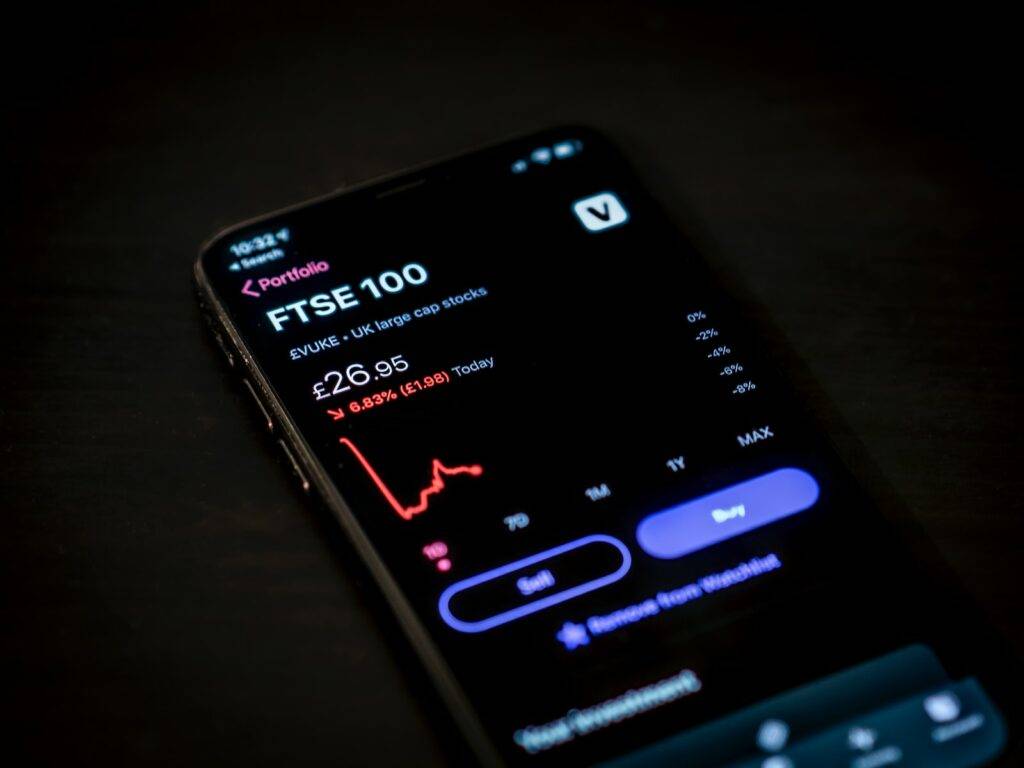
Investing in Stocks
Before investing in stocks, you need to determine your risk tolerance. The amount of money you’re willing to lose and your investment goals will determine your risk tolerance. Many investors recommend waiting to buy stocks until you’ve paid off your debt and saved for emergencies. You should also diversify your portfolio. This means investing in different industries, foreign companies, exchange-traded funds, and mutual funds. A market crash can be a great opportunity to invest in great companies. Don’t panic, though. A market crash can mean huge discounts for those who buy at the bottom of the market. This strategy requires research and patience. It’s best to buy when prices are low enough to make them attractive.
Although the risks associated with market timing are high, this is the most realistic strategy for most investors. Waiting for the perfect time to invest risks procrastination, which is often even worse than bad timing. However, you shouldn’t give up on investing in stocks now; it’s better than investing at all. Those who don’t want to wait for a crash can benefit from dollar-cost averaging.
The biggest risk of investing in stocks is losing money. The stock market isn’t designed to provide a quick buck, but to deliver positive returns for several years. Historically, investors have experienced a 9% annual return on their investments. This provides a cushion against bad years. However, you must stick to your investment plan for long-term returns.
As a general rule, panic selling is never a good idea. In fact, panic selling can even exacerbate losses. Furthermore, panic selling is not a strategy if you want to be successful in investing. Successful investors will generally buy when others are fearful. This way, they can get a good deal.
Investing in Rental Properties
There’s a big difference between investing in real estate emotionally and logically. If you buy a rental property at a decent price in a good area that can support decent-paying tenants during the downturn, you’ll be able to ride out the crash until it becomes financially advantageous to sell.
If you’re a first-time buyer, you’ll need to be very careful about how you invest your money. Buying an investment property is risky because prices will fall during a recession. Financing will also be tighter. New borrowers are unlikely to be approved for loans at that time.
A rental property won’t be affected by a housing crash due to its cash flow. This means your tenants will pay the same rent regardless of the market value. Additionally, you’ll be able to take advantage of forced appreciation, pay off your mortgage, and benefit from tax savings with depreciation.
Another reason to invest in rental properties now is the fact that institutional investors aren’t buying as much as they used to. They’ve been raising money from global investors to buy homes. As interest rates fall, more people can afford to buy rental properties. Meanwhile, rents are rising and will continue to rise for the foreseeable future. Meanwhile, first-time home buyers will be stuck.
Investing in Cryptocurrency – The Smart Investor

Investing in crypto now may seem like a great idea, but it’s also risky. The Reserve Bank of India has repeatedly warned crypto investors that they should expect to lose all their money. However, it’s important to note that the crypto market has survived many major crashes in the past. It’s therefore likely that the crash will only be temporary.
Before investing in cryptocurrency, consider your financial situation and time horizon. If you have time to wait, buying at a lower price may make sense. If you want to profit in the long term, investing in crypto can be a great way to build wealth. However, you should remember that not all cryptocurrencies are created equal. Some are much riskier than others.
While crypto is a risky investment, it’s not a bad idea if you have a high risk tolerance. Before investing, consider your overall budget and whether you have other assets in your investment portfolio. If you have a lot of debt, you may want to pay it off first and set aside some money for emergencies. Then, if you have extra money, you can invest in Bitcoin on one of the best crypto exchanges. If you’re a true believer, you can take advantage of the current drop in coin prices to buy more coins and sell the undervalued ones. You can even wait and reinvest the profits on safer shores. This way, you can take advantage of the next big investment opportunity in the crypto market.
The crypto crash has sparked a frenzy to recover lost funds. Amateur traders who bet on a range of failed crypto projects are seeking compensation or prosecution for the loss of their money. Meanwhile, powerful crypto firms are investigating distressed companies.
Investing in Real Estate During the Recession – The Smart Investor
Investing in Real Estate

While the market is currently experiencing a wild ride, there’s a high risk of even more property prices. If you decide to wait until the crash hits, you’ll likely face tighter lending requirements and lower prices. You’ll also have difficulty securing the financing you need to purchase the property. The chances of securing financing are low for new borrowers.
In addition to the high risk of a real estate crash, record inflation and rising mortgage interest rates will also affect the market. Several recent recessions have seen home prices rise. In fact, four of the six since 2008 have had positive real estate results. In 1991, despite the recession, home prices only fell 1.9%. For a buyer, this small reduction is not worth worrying about.
However, the crash will not hit all markets equally. Some housing markets will be hit harder than others. The greatest impact will be felt in large cities, where population growth is high and housing costs are high. As a result, people are moving to smaller metros and suburbs. Understanding where people are moving is key to determining where to invest your money.

Articles similaires

How to set up a trading strategy?
Trading strategies come and go, but a few strategies are still worth using. They have proven themselves in the past and can…

Pondération : définition et applications avec exemples concrets
Découvrez la définition complète de la pondération, ses applications en statistiques, finance et éducation avec des exemples concrets et des cas d’usage.
 Stock market investments
Maaf Life Insurance: a solution to secure your financial future
Life insurance is a savings product that allows you to build up capital to finance various projects, while benefiting from advantageous tax…