Ticket Resale: Opportunity or Curse?
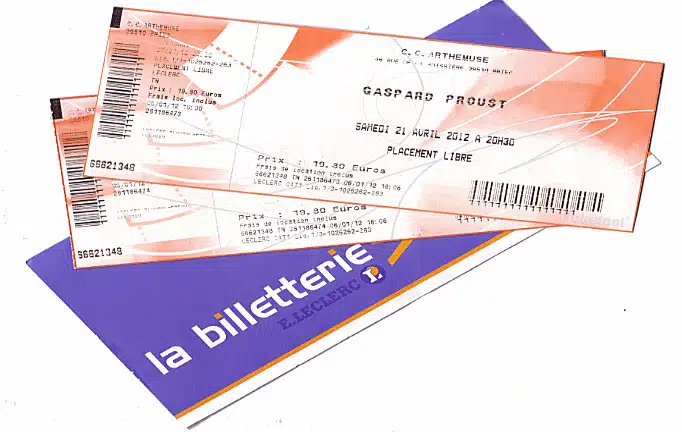
The Ticket Resale Phenomenon Explained
Who hasn’t experienced the frustration of discovering that the coveted ticket to the concert of the year is already sold out? In the shadow of this disappointment, a thriving industry has emerged: ticket resale. The idea is simple: buy tickets in advance and resell them at often much higher prices. But why do some tickets reach such exorbitant prices?
The Secrets of “Sold-Out” Events
Predicting which concert or sporting event will sell out is almost an art form. World-renowned artists, such as the Rolling Stones, can fill entire stadiums in minutes. Their concert at the Stade de France, for example, saw its 75,000 seats sell out in just 51 minutes. However, it’s not just world-famous stars who create this frenzy. Often, more ephemeral phenomena, targeting a teenage audience like Justin Bieber or One Direction, see their tickets sell like hotcakes.
Primary Resale Targets
While concerts dominate the resale market, other events attract just as much attention from resellers. Major sporting events, such as the World Cup or Roland Garros, see their tickets highly sought after, particularly for finals or decisive matches. Shows, musicals, and even conferences on trending topics can also be fertile ground for resale.
The Dark Side of Resale
Legality Questioned
While the financial opportunity may seem tempting, it is far from risk-free. In France, the law of March 12, 2012, regulated this practice, making it illegal to resell tickets at a price higher than their original purchase price. While this legislation hasn’t completely eradicated the phenomenon, it clearly establishes the boundaries between occasional sales and illegal business.
The Impact on True Fans
Beyond legality, there is an ethical issue. True music lovers or supporters can find themselves deprived of their passion, having to pay out enormous sums for events they have sometimes waited years for. This price inflation can create socioeconomic barriers, transforming some events into elitist circles.
Two Sides of the Coin
The Hidden Benefits of Resale
It would be unfair to view resale solely as a commercial practice. In some cases, it offers a second chance to those who missed the first sale. Moreover, some resellers possess real expertise and an ability to anticipate, recognizing the potential of an artist or event before anyone else.
The Downside
However, reselling is far from an exact science and carries its share of risks. Resellers can end up with unsold inventory, especially if their prediction turns out to be incorrect. Furthermore, the legal consequences can be severe, not to mention the potential damage to the seller’s reputation.
Protecting Yourself as a Consumer
The best protection against abusive reselling remains information. Knowing how to identify reliable platforms and legitimate sellers is essential to avoid disappointment. Favoring official waiting lists or fan clubs also increases your chances of securing a ticket at the original price.
Final Thought: Ethics Above All
Ticket resale is a complex phenomenon, combining economic opportunity, passion, and ethical debate. While the market exists to meet demand, it’s up to each individual to decide where to place their moral compass. Whether you’re a seller or a buyer, one thing is certain: music, sports, and culture in general deserve to be accessible to all, without barriers or excessive opportunism.