Cryptoassets and cryptocurrencies: a guide to navigating this universe

The fundamentals of cryptoassets and cryptocurrencies: understanding their essence
Cryptoassets and cryptocurrencies represent a financial revolution that is disrupting traditional models. In 2025, their popularity continues to grow, fueled by technological innovations, mass adoption and a changing global economic context. Their fundamental nature is based on a decentralized technology, the blockchain, guaranteeing transparency, security and autonomy. Unlike fiat currencies, these digital assets do not depend on any central authority, which raises both opportunities and challenges for investors and regulators.
At the heart of this universe, there are different types of cryptoassets: cryptocurrencies, utility tokens, security tokens, and other variants created to meet specific needs. However, this diversity makes understanding complex for novices, who must differentiate a digital currency intended for daily use from a token used to finance a project or represent a share of ownership. Ignorance of these distinctions can lead to major investment errors, hence the importance of clear and precise information.
The main keys to understanding this environment lie in understanding how the blockchain works, mining or staking processes, and exchanges like Binance, Coinbase or Kraken, which facilitate access to these assets in the face of a constantly evolving market. Players such as Ledger, specialized in asset security, or eToro, a social investment platform, also show how this technology fits into common uses.
The Different Categories of Cryptoassets: A Brief Overview for Better Investing
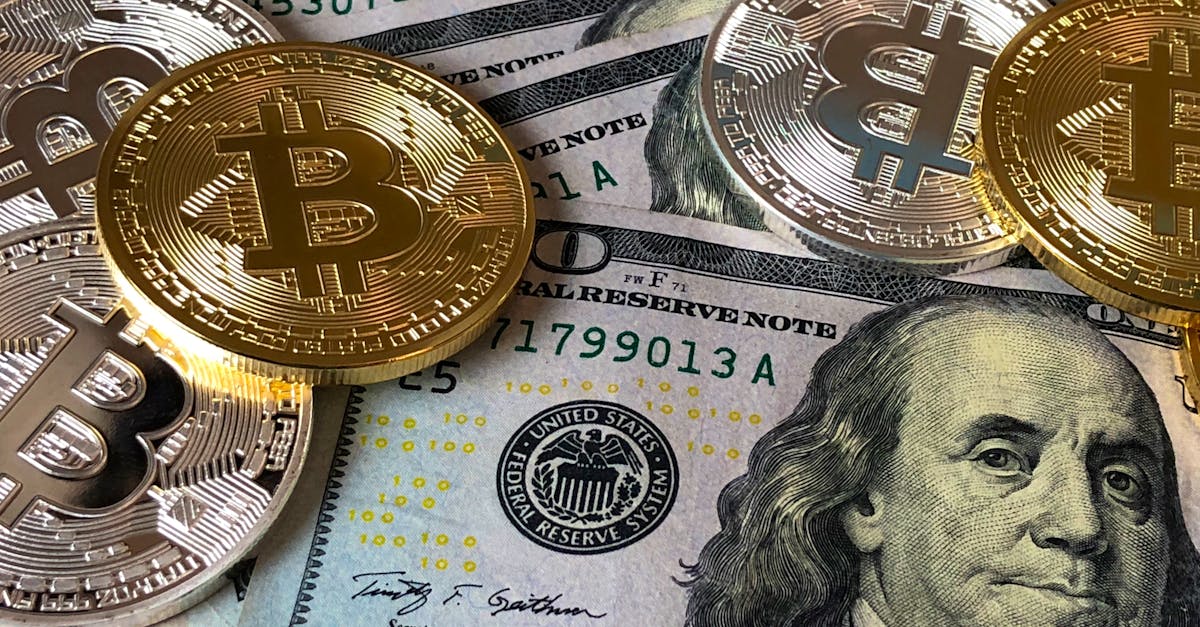
When approaching the world of cryptoassets, it is crucial to distinguish between their main categories to avoid confusion and optimize your investment strategies. According to several digital finance experts, these categories are divided into four main types: cryptocurrencies, utility tokens, security tokens, and hybrid assets, each with its own characteristics and varied use cases.
Cryptocurrencies, such as Bitcoin or Ethereum, remain the best-known and are primarily used as a store of value or means of exchange. Their volatility, however, requires constant vigilance. Utility tokens, on the other hand, play a role in the blockchain ecosystem, providing access to decentralized services or products—an example would be those used on the Crypto.com platform to access their financial services. Security tokens, which can represent an underlying asset such as a stock or company share, tend to comply with regulations and offer a certain stability compared to others. Investing in them could be a safer option for those seeking regulated exposure to cryptoassets.
Cryptoasset Type
| Primary Function | Known Examples | Regulation | Cryptocurrencies |
|---|---|---|---|
| 💰 Store of value, exchange | Bitcoin, Ethereum | Varies by country | Utility Tokens |
| ⚙️ Access to services, platform | Binance Coin, Uniswap | Partially regulated | Security Tokens |
| 🛡️ Representation of financial assets | Rehypothecated Tokens | Often regulated | Hybrid Assets |
| 🌐 Combination of features | Some stablecoins | Compliant with standards | Exchange platforms: where to buy and sell safely |
The first step to entering the world of cryptoassets is choosing the right platform. In 2025, the exchange market has expanded with major players like Binance, Coinbase, Kraken, and Bitstamp, which offer user-friendly interfaces, enhanced security, and a wide range of assets to trade. However, each platform has its own specific features that are essential to understand to optimize your experience and investments. The essential criteria to consider when choosing an exchange include:
✅ The platform’s reliability and reputation
✅ Fund security (strong authentication, cold storage)
- ✅ The diversity of cryptoassets offered—from Bitcoin to lesser-known tokens
- ✅ Ease of use, especially for beginners
- ✅ Availability of advanced features such as margin trading and automated orders
- Furthermore, to ensure the security of your assets, it is recommended to use a hardware wallet like Ledger, which allows you to store your cryptocurrencies offline, away from cyberattacks. Connecting with platforms like CoinHouse or Bitpanda also provides quick access to buy or sell options, while providing an additional layer of security.
- Discover the fascinating world of cryptocurrencies, revolutionary digital assets that are transforming the financial landscape. Learn how to invest, trade, and understand the challenges of blockchain and virtual currencies.
Cryptoasset Purchasing Methods: Strategies and Precautions
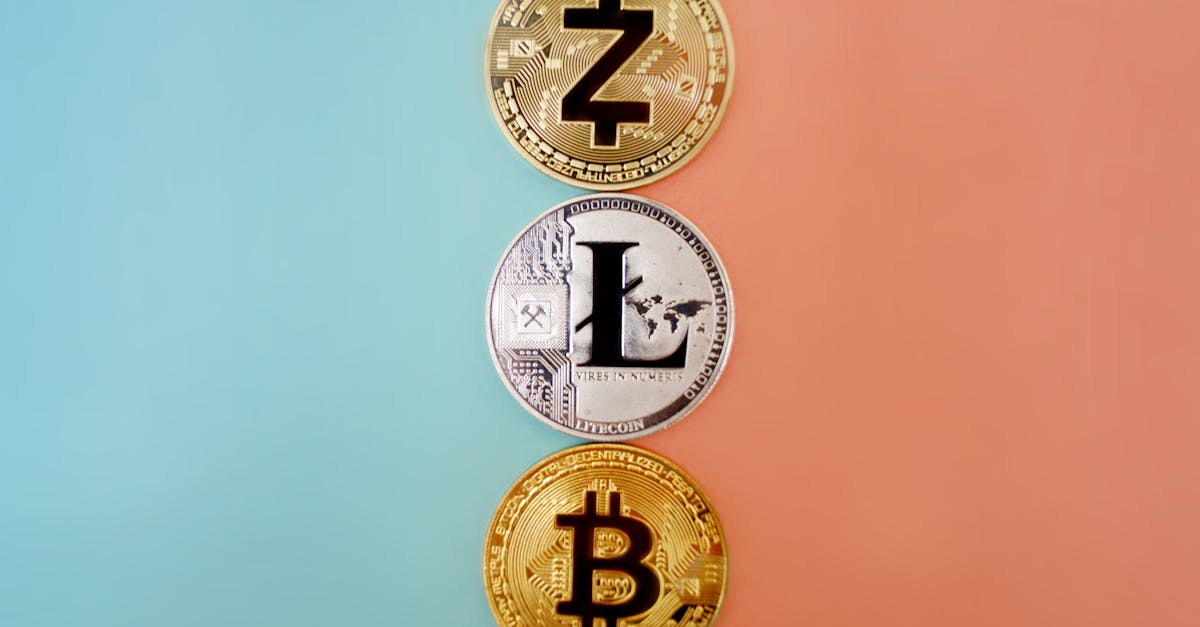
🛒 Simple purchase: via Binance, Coinbase, or Kraken, using a credit card, bank transfer, or PayPal, for intuitive management
🔒 Enhanced security: favor the use of a hardware wallet like Ledger after purchase
📈 Scheduled investment: using dollar-cost averaging strategies on eToro or Bitpanda to smooth out volatility
- 🔄 Diversification: spread your investments among different cryptocurrencies to minimize risks
- ⚠️ Vigilance: always check addresses and avoid scams like fake websites or overly promising promises
- Experts also recommend caution when faced with the temptation of quick profits, particularly by checking
- news headlines
- or referring to specialized guides before taking the plunge.
Discover the fascinating world of cryptocurrencies: their influence on the global economy, blockchain technologies, and how to invest safely. Stay informed on the latest trends and news in the sector. Security and Safety: An Essential Pillar of the Cryptosphere With the exponential growth in the use of cryptoassets, security issues are intensifying. In 2025, several cases of scams, fraud, and massive hacks highlighted the need to adopt strict measures to protect assets. According to many experts, recommended practices include:
🛡️ Implement two-factor authentication (2FA) on all platforms
🧾 Carefully check receiving addresses before any transaction
🚫 Be wary of phishing and infiltration attempts via email or application
- 📚 Keep your software up to date to benefit from the latest security patches
- Global regulators are also increasing their presence to supervise this market, with particular attention to stablecoins and new regulations on taxation. The Ledger platform, in particular, is establishing itself as a key player in securing investments, in partnership with institutions such as the Gendarmerie or judicial bodies to fight against scams.
- Market trends and prospects for 2025
- In 2025, the dynamics of the cryptoasset market remains fueled by several strong trends, supported by institutional players like Vanguard or banks already engaged in asset tokenization. The rise of stablecoins, particularly with initiatives such as the GMB company or the Gendarmerie which are strengthening their control, demonstrates a movement towards more regulated adoption.
- Forecasts indicate continued growth, with diversification of financial products, including:
🚀 The expansion of decentralized trading platforms (DeFi)
🛠️ The integration of blockchain in traditional sectors — industry, real estate, public services
🌐 The rise of areas linked to NFTs and the tokenization of works of art or real estate
🔎 Stricter regulations to protect savers while promoting innovation
- 💡 The development of analysis tools to better predict market trends
- Some experts urge caution in the face of this rapid growth. It would be too soon to believe in lasting stability, but the market remains promising for those who know how to analyze and select their investments from among the many players.
- Regulatory and legislative issues surrounding cryptoassets
- The legal framework surrounding cryptoassets will continue to evolve in 2025, with an increase in national and international regulations. France, for example, has strengthened its frameworks, involving players such as CoinHouse and Paymium in compliance. The regulations primarily aim to combat money laundering and tax evasion, and ensure the transparency of financial transactions.
- The main issues concern:
⚖️ The precise classification of assets—are they subject to the taxation of securities or currencies? 🔍 Transaction traceability thanks to blockchain
📝 Reporting obligations for major platforms like Binance or Kraken
🚨 Combating scams and recovering funds through case studies like those discussed in this article
🌍 International agreements to harmonize rules
- French authorities are encouraging a balanced approach between innovation and security, while integrating blockchain technology into the public sphere. Collaboration with players like CoinMarketCap or CoinGecko also allows for greater transparency of market data, essential for effective regulation.
- Upcoming challenges and the future of cryptoassets in 2025
- The outlook for the future of cryptoassets remains mixed. While their adoption continues to expand, several major challenges remain: regulation, security, volatility, and public perception. Some fear the proliferation of scams or exploits, as mentioned in this article.
- , does not dampen the confidence of traditional investors. Furthermore, the maturity of the market will depend on the ability to integrate these assets into the global financial system in a regulated and secure manner. Blockchain, with its potential for transparency and decentralization, could therefore establish itself as a key infrastructure for the finance of tomorrow, provided that the numerous legislative and cybersecurity challenges are addressed.
- In short, 2025 appears to be a pivotal year in which innovation and regulation will have to coexist to preserve stability while enabling the growth of this digital universe. Investors must remain vigilant in the face of these developments and rely on trusted players like Ledger or CoinHouse to secure their assets.
Source:
www.economie.gouv.fr

Articles similaires
Beoble – Web3 messaging for your communications
Dive into the revolutionary world of Beoble, a web3 messaging service that redefines user communication. With an approach focused on security, simplicity,…

How to learn about investing?
Investing education is possible through professional training through investment courses. These courses will teach you the various investment strategies available. You’ll learn…

How to make money with Stepn?
If you’re thinking about playing the call token game, you have plenty of options. The Stepn app’s native currency is GMT, which…